Expertise:
Healthcare
Healthcare
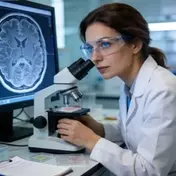
Neurology researcher with a focus on neurodegenerative disorders.

Anti-aging treatment in aesthetic medicine refers to a spectrum of clinical procedures and topical interventions designed to mitigate the visible signs of biological aging in the skin and underlying soft tissues. Unlike traditional medicine which focuses on systemic pathology, aesthetic anti-aging focuses on the structural and surface alterations of the integumentary system—such as the loss of elasticity, volumetric depletion, and dyspigmentation. This article provides a neutral, scientific exploration of these treatments, detailing the biological foundations of skin degradation, the core mechanisms of clinical interventions (ranging from energy-based devices to biochemical agents), and an objective analysis of current professional standards. The discussion follows a structured progression: defining the scope of the field, explaining the physiological mechanisms of aging, categorizing common treatment modalities, and discussing the role of evidence-based practice in managing patient expectations.
By Dr. Natalia IvanovaAsthma is a chronic inflammatory disorder of the airways characterized by variable and recurring symptoms, reversible airflow obstruction, and bronchospasm. It is a complex respiratory condition involving a heightened sensitivity of the bronchial tubes to various stimuli, leading to episodes of wheezing, breathlessness, chest tightness, and coughing. This article provides a neutral, evidence-based examination of asthma, detailing its physiological foundations, the biochemical mechanisms of airway hyperresponsiveness, the systemic impact on respiratory function, and the current framework for clinical monitoring. The following sections will analyze the transition from cellular inflammation to clinical presentation, providing an objective overview of the scientific consensus regarding this prevalent respiratory challenge.
By Dr. Natalia IvanovaAn Automated External Defibrillator (AED) is a portable, computerized medical device designed to analyze the heart's rhythm and, if necessary, deliver an electrical shock to help the heart re-establish an effective rhythm. Its primary function is to address Sudden Cardiac Arrest (SCA), specifically when caused by ventricular fibrillation (VF) or pulseless ventricular tachycardia (VT). This article provides an objective analysis of AED technology, exploring the fundamental biological principles of cardiac electrophysiology, the mechanical and algorithmic components of the device, the regulatory standards for public access, and the future of emergency resuscitation technology.
By Dr. Natalia IvanovaAddiction-related challenges present complex psychological, physical, and social dimensions that affect individuals across all demographics. As awareness of these challenges grows, so does the recognition of professional support systems designed to address them. Among these support systems, addiction health counseling has emerged as a valuable resource for those seeking to understand and manage addictive patterns. This article aims to provide a neutral, factual overview of addiction health counseling, exploring its purpose, mechanisms, benefits, and limitations. The discussion will follow a structured approach: first clarifying fundamental concepts, then examining the underlying mechanisms of addiction and counseling approaches, followed by an objective assessment of the service's role in addressing addiction, a summary of current practices, and finally, addressing common questions about this form of support.
By Dr. Natalia Ivanova